

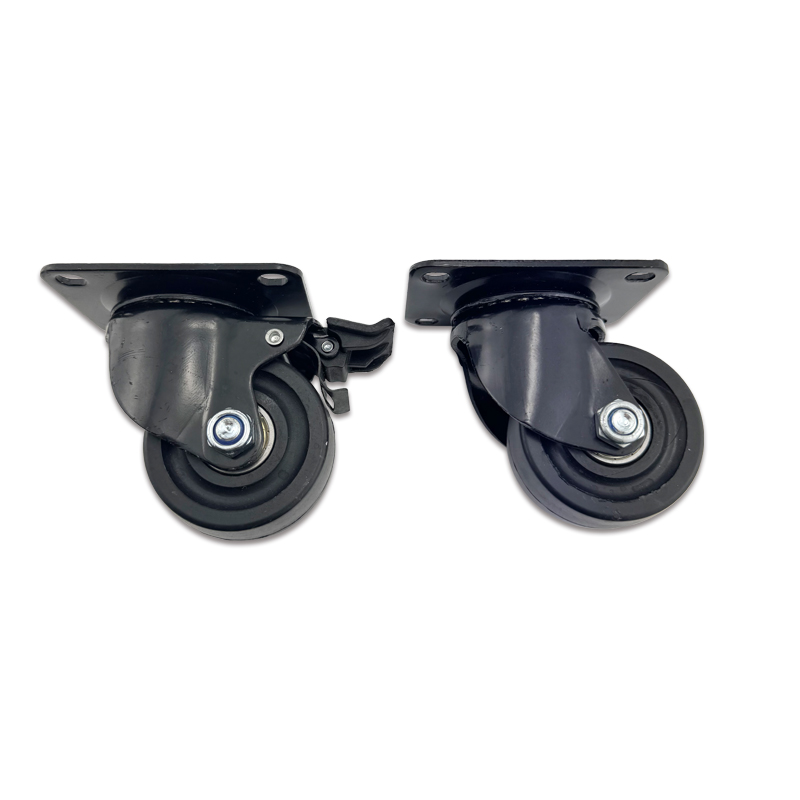
Industrial casters play a vital role in modern manufacturing, logistics, and automation systems. Whether installed on production equipment, mobile workstations, storage racks, or medical devices, the right caster improves mobility, enhances workplace safety, and extends equipment service life.
Selecting industrial casters involves more than choosing a wheel size. Factors such as load capacity, wheel material, mounting style, operating environment, and floor conditions all influence performance. A poor selection can lead to excessive wear, unstable movement, equipment damage, and increased maintenance costs.
This guide explains the key considerations for choosing industrial casters, helping OEM manufacturers, machine builders, and industrial buyers identify the best solution for their applications.
What Are Industrial Casters?
Industrial casters are wheel assemblies designed to support and move heavy equipment safely and efficiently. Unlike standard furniture casters, industrial models are engineered for higher load capacities, continuous operation, and demanding environments.
A typical industrial caster consists of several components:
- Wheel
- Fork or yoke
- Swivel bearing (for swivel models)
- Mounting plate or stem
- Brake mechanism (optional)
Industrial casters are commonly installed on:
- Manufacturing equipment
- Material handling carts
- Warehouse trolleys
- Medical equipment
- Packaging machinery
- Laboratory workstations
- Mobile industrial cabinets
The correct caster improves maneuverability while protecting both equipment and flooring.
Common Types of Industrial Casters
Different applications require different caster designs. Understanding the main categories helps buyers select the right mobility solution.
Rigid Casters
Rigid casters move only in a straight line. They provide excellent directional stability and are commonly paired with swivel casters on large equipment. Typical applications include:
- Conveyor systems
- Heavy machinery
- Industrial carts
- Assembly lines
Swivel Casters
Swivel casters rotate 360 degrees, allowing equipment to change direction easily. They improve maneuverability in confined workspaces and are widely used on mobile equipment. Best suited for:
- Mobile workstations
- Tool carts
- Medical equipment
- Warehouse carts
Brake Casters
Brake casters combine mobility with temporary positioning. Once locked, they help prevent unintended movement during operation. They are ideal for:
- Inspection stations
- Laboratory equipment
- Packaging machines
- Mobile assembly tables
Shock Absorbing Casters
These casters reduce vibration and absorb impacts when moving over uneven surfaces. They help protect sensitive equipment while improving operator comfort.
Common industries include electronics manufacturing, precision instruments, and medical equipment.
Choosing the Right Wheel Material
Wheel material directly affects durability, rolling resistance, noise levels, and floor protection. Selecting the appropriate material ensures longer service life and better operating performance.
Polyurethane (PU)
Polyurethane wheels are one of the most popular options for industrial environments. Advantages include:
- High wear resistance
- Quiet operation
- Excellent floor protection
- Good chemical resistance
- High load capacity
They are commonly used in factories, warehouses, and automation equipment.
Nylon
Nylon wheels provide excellent strength and low rolling resistance. They perform well in:
- Heavy-duty applications
- Clean production environments
- High-temperature conditions
However, nylon wheels may generate more noise and are less suitable for delicate floor surfaces.
Rubber
Rubber wheels provide smooth and quiet movement while absorbing vibration. They are recommended for:
- Hospitals
- Laboratories
- Office equipment
- Sensitive electronic devices
Rubber generally supports lower loads than polyurethane or nylon.
Cast Iron
Cast iron wheels offer exceptional durability and can withstand extremely heavy loads. Typical applications include:
- Steel processing
- Foundries
- Heavy manufacturing
- High-temperature environments
These wheels should only be used on suitable industrial floors due to their hardness.
Understanding Load Capacity
Load capacity is one of the most important factors when selecting industrial casters.
Many buyers make the mistake of simply dividing the equipment weight by the number of casters. In practice, this approach often underestimates the actual load experienced during operation. Several factors should be considered:
- Total equipment weight
- Maximum payload
- Uneven floor conditions
- Dynamic movement
- Shock loading during transport
For example, a machine weighing 800 kg with four casters should not automatically use 200 kg-rated casters. A safety margin should always be included to account for uneven loading and operating conditions. Selecting casters with appropriate load ratings improves safety while extending product lifespan.
Mounting Options
Industrial casters are available with different mounting styles to match various equipment designs.
Top Plate Mount
The most common mounting method for industrial equipment. They are suitable for:
- Machine frames
- Workstations
- Industrial cabinets
Threaded Stem
Often used on lighter equipment requiring quick installation. Common applications include:
- Medical devices
- Mobile carts
- Laboratory equipment
Bolt Hole Mount
Bolt hole casters simplify installation where limited mounting space is available.
Choosing the correct mounting style ensures structural stability and easier maintenance.
Selecting Casters for Different Industries
Different industries place unique demands on caster performance.
Automation Equipment
Automation systems require precise movement, stable positioning, and long service life. Polyurethane swivel casters are often preferred because they combine durability with smooth operation.
Medical Equipment
Hospitals prioritize quiet movement, floor protection, and hygiene. Non-marking rubber or polyurethane wheels with locking brakes are widely used.
Food Processing
Casters operating in food production facilities should resist moisture, cleaning chemicals, and corrosion. Stainless steel components are often recommended.
Warehousing and Logistics
Warehouse carts experience continuous movement and heavy loading. Durable polyurethane or nylon wheels help reduce maintenance while maintaining smooth transportation.
Factors to Consider When Choosing an Industrial Casters Manufacturer
Beyond the product itself, selecting a reliable manufacturing partner contributes to long-term equipment performance and supply stability. Look for suppliers that offer:
- Comprehensive product range
- Stable quality control
- Material traceability
- OEM and custom manufacturing
- Fast production capability
- Technical engineering support
- Consistent global delivery
For equipment manufacturers managing multiple product lines, working with an experienced supplier also simplifies procurement and reduces sourcing risks.
Conclusion
Industrial casters are essential components that directly affect equipment mobility, workplace safety, and operational efficiency. Choosing the right caster requires evaluating wheel material, load capacity, mounting style, and the operating environment rather than focusing solely on price.
By understanding these selection criteria, OEM manufacturers and industrial buyers can improve equipment reliability while reducing maintenance costs over the product's lifecycle. Partnering with an experienced industrial caster manufacturer further ensures consistent quality, dependable supply, and application-specific solutions for a wide range of industries.
Frequently Asked Questions
What is the best wheel material for industrial casters?
Polyurethane is the most versatile option because it offers high load capacity, excellent wear resistance, quiet operation, and good floor protection.
How do I calculate the required load capacity?
Add the total equipment weight and maximum payload, then include a safety factor to account for uneven loading and dynamic movement.
Should I choose swivel or rigid casters?
Swivel casters provide better maneuverability, while rigid casters improve straight-line stability. Many industrial carts use a combination of both.
Can industrial casters be customized?
Yes. Many manufacturers provide customized wheel materials, sizes, mounting options, braking systems, and load ratings to meet specific equipment requirements.
